
What is PESTEL, Really?
PESTEL is short for Political, Economic, Social, Technological, Environmental, and Legal. It’s a tool that helps businesses map out the external forces they don’t control but still need to navigate. Think of it like scanning the weather before heading into uncharted terrain. You may not change the wind, but you’d better know which way it’s blowing.
Here’s the breakdown:
Political: Rules of the game regulations, taxes, government stability.
Economic: The money stuff interest rates, inflation, how much your buyer can spend.
Social: People and culture attitudes, trends, and changing priorities.
Technological: Innovation speed what’s new, what’s broken, and what’s being replaced.
Environmental: Climate, sustainability, and natural resource pressures.
Legal: The law compliance, labor rules, IP protections.
Why does this matter for strategy? Because markets don’t move in a vacuum. A new law can shut down a business model. A tech trend can revive a flatlining product. And missing a social shift? That’s how good brands go stale.
Quick example: A fashion brand watches PESTEL and spots a cultural swing toward circular economy minimalism, reselling, eco materials. They don’t just ride the trend. They prep logistics, retool supply chains, and launch a take back program. That’s how this framework moves from theory to the bottom line.
In short: PESTEL doesn’t just build awareness. It helps leaders pre load smart moves and stay sharp while the winds around them shift.
Political Factors
Understanding the political environment is critical for businesses entering or operating in any market. Political decisions can directly impact regulations, costs, and long term strategy. Here’s what to keep an eye on:
Key Elements to Watch
Government stability: Political turmoil can lead to unpredictable regulatory environments and increased risk.
Industry regulations: Policies that govern your industry may change, affecting compliance requirements and operational costs.
Tax policy: Shifts in corporate tax structures or trade tariffs can alter profitability and market appeal.
Trade Policies: Barriers or Gateways?
International expansion sounds attractive until trade policies change. These policies can either open doors or close them unexpectedly:
A sudden hike in tariffs could make foreign goods less competitive.
Export restrictions might limit access to essential markets or materials.
Bilateral agreements can offer advantages but only if a business aligns with new rules.
Real World Scenarios
Consider these examples where political changes shifted the business landscape:
Brexit: UK based companies had to adapt to new trade relationships, customs regulations, and legal standards.
US China trade tensions: Tech and manufacturing firms faced supply chain disruption and changing import/export costs.
Renewable energy subsidies: In several countries, policy shifts around green initiatives influenced investment patterns in clean tech.
Bottom Line: Political factors can define the rules of engagement long before you finalize pricing or launch strategies. A smart business leader anticipates change rather than reacting to it.
Economic Conditions
Understanding the economic landscape is critical for any business operating in a competitive market. Economic factors can accelerate growth or hit hard at your bottom line, so early awareness pays off.
Key Indicators to Watch
Several core indicators can significantly impact business planning and profitability:
Inflation: Reduces consumer purchasing power and increases input costs.
Interest Rates: Affects borrowing, investment, and consumer spending.
Unemployment: Shapes labor markets and overall consumer demand.
Monitoring these trends helps companies anticipate market constraints or opportunities before they become obvious.
Global Shifts, Local Impact
The economy doesn’t exist in a bubble global shocks ripple fast. Whether it’s supply chain constraints from overseas disruptions or sudden currency fluctuations, international developments often destabilize domestic markets.
A recession in one major economy can lower demand globally
Trade tensions can force rethinking of sourcing or manufacturing strategies
Currency volatility affects exports, imports, and pricing strategies
Businesses that stay attuned to international movements are better prepared to adjust early.
Stay Ahead of Economic Signals
Timing is everything. Waiting until economic conditions fully hit your margins can cost competitiveness. Instead:
Track leading economic indicators (housing starts, manufacturing activity, etc.)
Consult industry forecasts alongside government reports
Watch for shifts in consumer behavior that may signal broader changes
Pro Tip: Consider embedding an economic pulse check into your quarterly planning cycle not just annual reports.
By decoding economic signals in real time, companies increase their ability to pivot effectively before trends become crises.
Social Dynamics
Consumer behavior doesn’t sit still. What mattered five years ago might barely register today. People are changing how they shop, what they care about, and who they trust. Lifestyle shifts remote work, wellness culture, digital minimalism are rewiring demand across industries. Even the old school rulebook of demographics isn’t so clear cut anymore; Gen Z shops different than Millennials, and neither acts like their parents.
That’s why understanding social values isn’t fluff. It’s core strategy. If your product or vlog doesn’t align with your audience’s identity or worldview, expect crickets. People want to buy from and watch brands that see them, not just sell to them.
Culture plays a huge role in shaping value. A niche fashion trend in Seoul might become the next global wave. A social justice movement could reshape an entire market overnight. Staying culturally aware means you catch momentum before it tips. Ignore this, and you risk being irrelevant.
Smart brands and creators don’t just track trends they listen. They build feedback loops. They know their people. Culture is more than context it’s currency.
Tech Agility
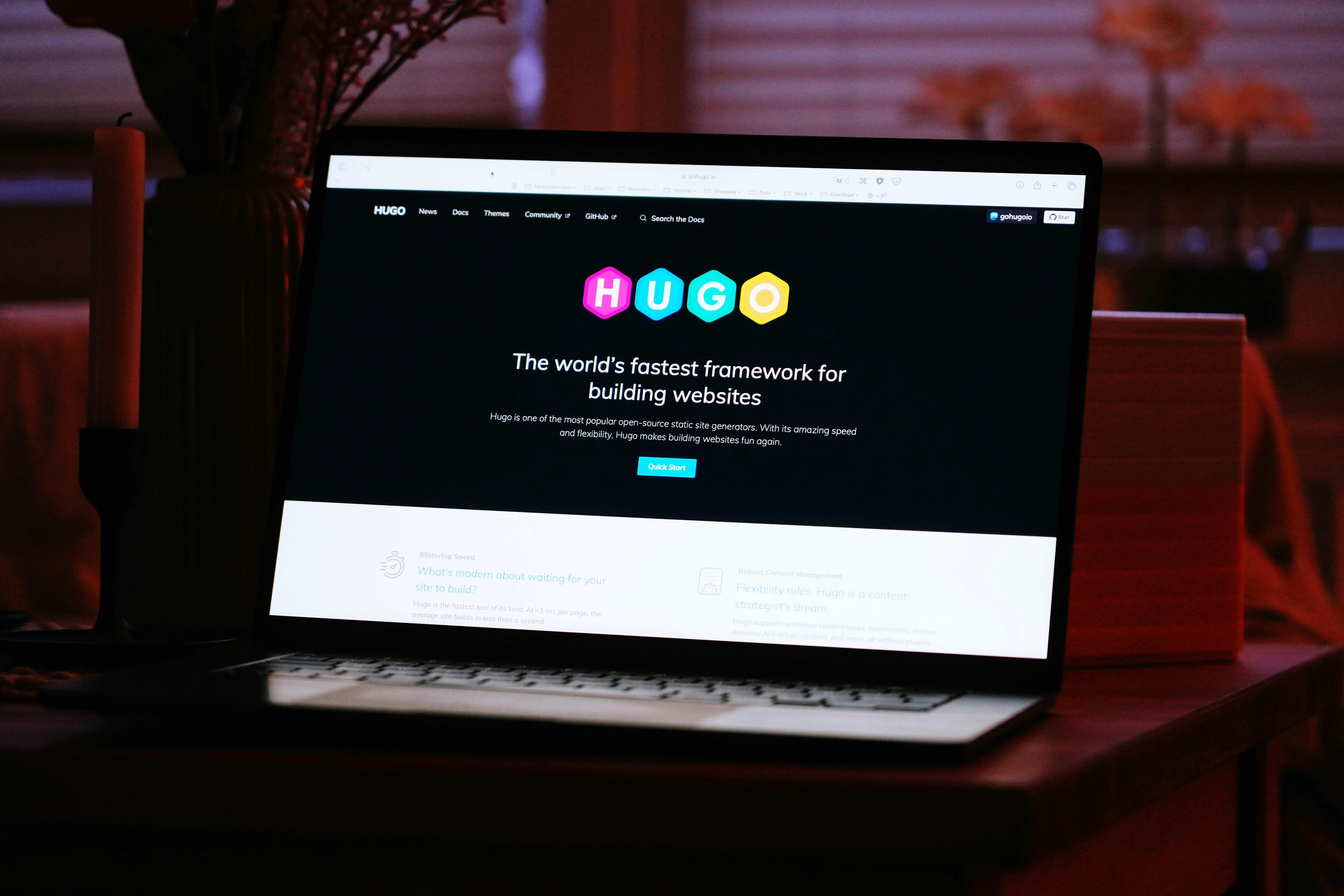
Technology isn’t just moving fast it’s moving unpredictably. Businesses that once had multi year tech roadmaps now scramble to stay relevant month to month. Disruptive tools like generative AI, robotics, and real time analytics platforms aren’t speculative they’re here, and they’re either helping you scale or leaving you behind.
Automation continues to reshape everything from supply chains to sales pipelines. That’s opportunity if you’re nimble. Routine tasks disappear. Insight cycles shorten. But it’s also a threat: competitors who adopt faster can leapfrog you overnight. The old playbook invest, train, deploy feels sluggish in this climate.
Digital transformation doesn’t mean just having a website or CRM anymore. It’s about baking innovation into how your business operates daily. Can your tech stack pivot with you? Can your team learn fast? These questions aren’t optional. Tools change. Markets react. Staying competitive means staying light on your feet and ready for what drops next.
Environmental Pressures
Sustainability isn’t just a buzzword anymore it’s baked into business expectations. Climate risk, resource scarcity, and carbon accountability are now practical concerns for companies in every sector. Whether you’re shipping textiles, running data centers, or building apps, there’s a price tag on environmental impact and regulators, investors, and customers are all watching closely.
Eco factors can spike costs fast. Energy use, waste management, and supply chain emissions all add up. But for businesses thinking ahead, it’s also a open lane for new markets. From green packaging innovations to clean logistics, there’s plenty of ground for growth if you’re solving for sustainability instead of dodging it.
Consumer trust is tightly linked to environmental action. Gen Z and millennial buyers, in particular, demand transparency. Brands with real, measurable green initiatives win long term loyalty. The ones that fake it for the PR bump? The market weeds them out quickly.
In short, environmental pressure isn’t just a constraint it’s a filter. Businesses that can’t adapt will fade. The ones that do will build smarter, leaner, and more resilient models.
Legal Landscape
Legal factors can make or break how a business operates especially when it’s expanding. From employment laws to environmental regulations to IP rights, the rules are everywhere, and getting them wrong costs more than just fines. Miss a labor regulation in one country, or violate a data usage rule in another, and you’re not just in legal trouble you’re bleeding trust and cash.
Every market has subtle (and not so subtle) legal differences. A product claim you can make in the U.S. might get you banned in Europe. Labor protections in Germany or Japan are a far cry from more at will approaches elsewhere. And don’t get started on intellectual property some countries don’t blink twice at knockoffs.
That’s why smart companies take compliance seriously from day one. It’s not about being “by the book” for the sake of it. It’s about knowing where the book is, what language it’s in, and what happens if you miss a page.
Sure, compliance costs upfront. But so do lawsuits, delays, and reputational hits when things go sideways. It’s cheaper to stay out of trouble than to fix it later. Build legal checks into your go to market strategy. Get local advice. Don’t chase scale until you understand how each new country plays its legal hand.
Why It All Connects to Business Rivalry
Markets don’t wait. One policy shift, a new tech breakout, or a sudden social movement and everything changes. These aren’t rare events; they’re the norm in today’s business climate. That’s why understanding external forces isn’t optional, it’s survival. PESTEL gives companies a clean, structured way to keep eyes on the horizon.
Used right, it’s more than analysis it’s an edge. It helps businesses avoid blindsides and spot chances others miss. When a competitor fumbles a regulatory curveball or ignores a demographic shift, the PESTEL savvy brand is already adjusting course. It’s not about predicting the future perfectly it’s about not getting caught flat footed.
For more on how that translates into actual competitive strategy, check out What is Competition in Business.
Making PESTEL Work for You
Most businesses treat PESTEL like an annual check in something to box tick before a strategy meeting. That’s not good enough. The external world shifts faster than most companies can pivot. If you’re only reviewing political, economic, or tech shifts once a year, you’re already behind.
Use PESTEL as an ongoing pulse check. Integrate it into quarterly reviews or even monthly sprints, depending on your industry pace. Treat it like operational radar, not a one off report. News cycles, regulatory changes, viral social movements all of it can rewrite your risks and opportunities in real time.
Keep it simple. You don’t need a 30 slide presentation to act on insights. Spot a policy change? Flag the supply chain ripple. See a shift in consumer attitude? Adjust your messaging within the week, not the quarter. The point is to distill signals into action with speed and clarity.
PESTEL works best when it’s embedded into how you view competitors. Their moves are not isolated; they’re often reactions to external pressures you might also face. By baking PESTEL into your ongoing competitive analysis, you increase your chances of seeing the next disruption before it hits.
For a broader lens on how this connects to strategy, check out What is Competition in Business.